


P · Problem
An industry under siege: no one in his corner
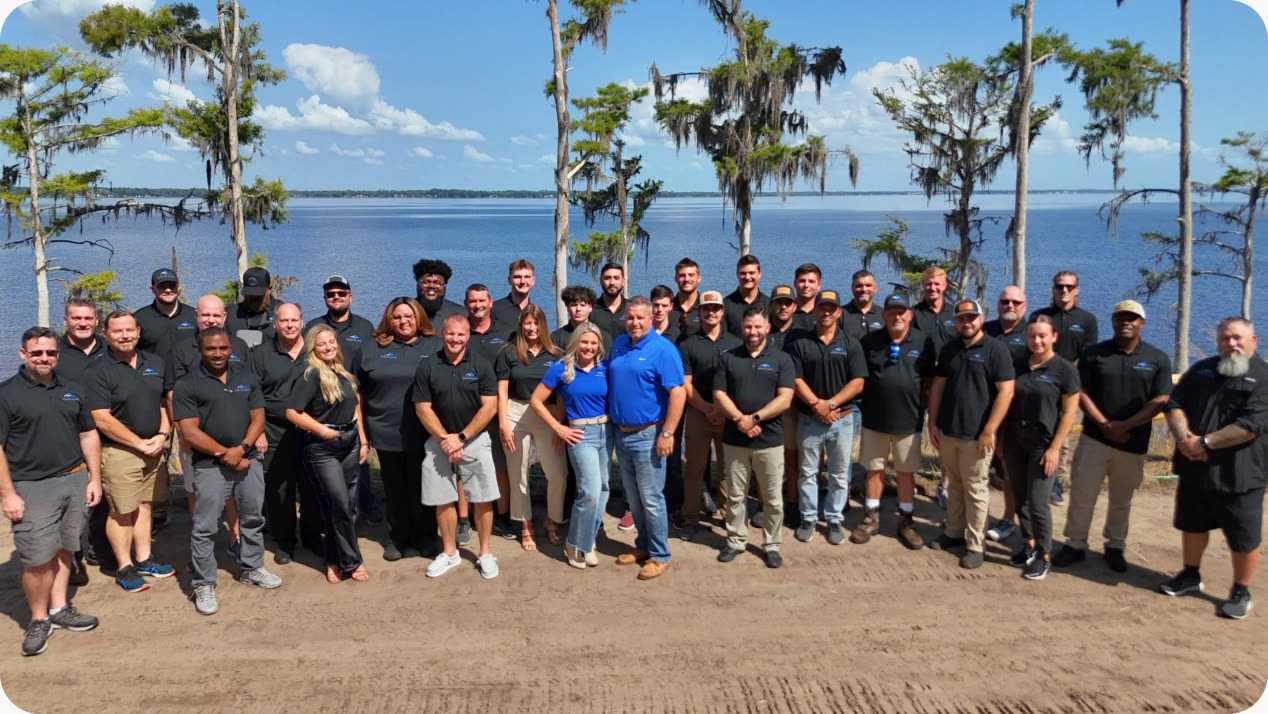
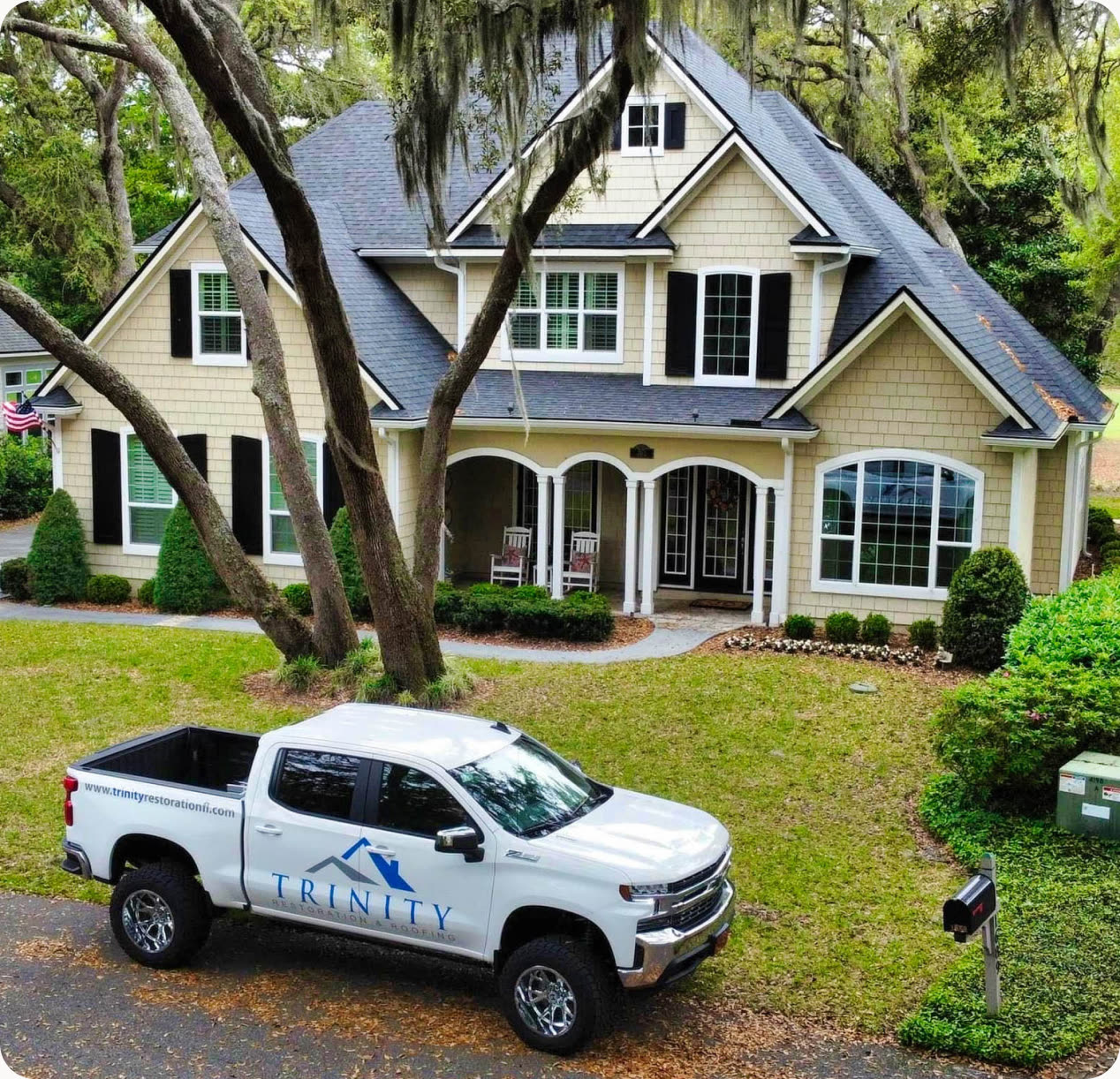
When David Williams founded Trinity Restoration and Roofing in 2019, an exit was not part of the plan. It rarely is at the start. By the time Trinity had grown to 150 employees and $40 million in annual revenue, that had changed. Not because David chose it, but because the industry chose him.
Trinity had become a prime target for private equity. Inbound calls started coming in steadily: buyers looking to gauge his interest, size him up, and move toward a deal on their terms. David took the calls. He did not have a reason not to.
The financial exposure was real. But there was something harder to quantify underneath it: legacy. David’s kids were involved in the business, and he wanted to keep it that way. He wanted to continue working, remain as CEO, and leave his family with a stake in what he had built. Most of the PE terms he was hearing did not accommodate any of that.
“Typical private equity wasn’t really what we were looking for,” he says. “I just didn’t think we could really trust anybody.”
He needed someone who understood what he was up against and what he actually wanted. He just had not found that person yet.
A · Action
The right advisor changes everything
David connected with John Buxton of Options2Exit through an email campaign. When he saw that John was based in Florida, he called. When John came to Jacksonville for a meeting, David listened. And when John mentioned that he had sold his own roofing business and felt he had left a significant amount of money on the table, something clicked.
This was not a broker who had read about the industry. This was someone who had lived it. John understood Trinity’s business from the inside, and more importantly, he understood what David actually needed from a deal: the right partners, not just the highest bidder.
Options2Exit took Trinity to market with a specific mandate: find PE partners who would honor the family’s continued involvement, support David remaining as CEO, and maximize value in a deal structured around his terms, not theirs. That meant casting a wide net. They spoke with a lot of prospective partners before landing on the right fit.
Throughout the process, David and John were in close contact, speaking at least daily.
“It was a very hands-on experience,” David says. “John definitely earned his commission.”
There was no shortage of uncertainty along the way. Deals at this level rarely move in a straight line. But John held steady.
“During that process, there’s a lot of uncertainty,” David says. “But John was very confident through the entire process that we would end up at a place that we were happy with.”
One of the most consequential phases was the sell-side Quality of Earnings, a rigorous financial review that positioned Trinity properly for institutional scrutiny and surfaced the true value of the business. It turned out to be the number that changed everything.
R · Result
A 70% Value Increase and an Exit Built to Last
When the sell-side QoE was complete, the enterprise value that emerged was dramatically different from what David had assumed going in.
Trinity closed its private equity partnership with investors who aligned with everything David had asked for from the start. His kids retained their involvement in the company. He remained CEO. He took significant cash off the table, enough that his relationship with the business shifted fundamentally.
“It matters, but if everything went to crap tomorrow, I would still be okay,” he says.
Today, David is busier than ever. By choice. Trinity is actively working on an acquisition, and he is scaling the company under new institutional backing. The private equity partnership was not an ending. It was a launch pad.
“The outcome exceeded what I was hoping for,” David says. “And I’m thankful we met John.”
For business owners still on the fence, David’s answer is direct:
"John was worth every quarter that we paid him. The outcome for us was far better than I could have hoped for going down this path alone.”